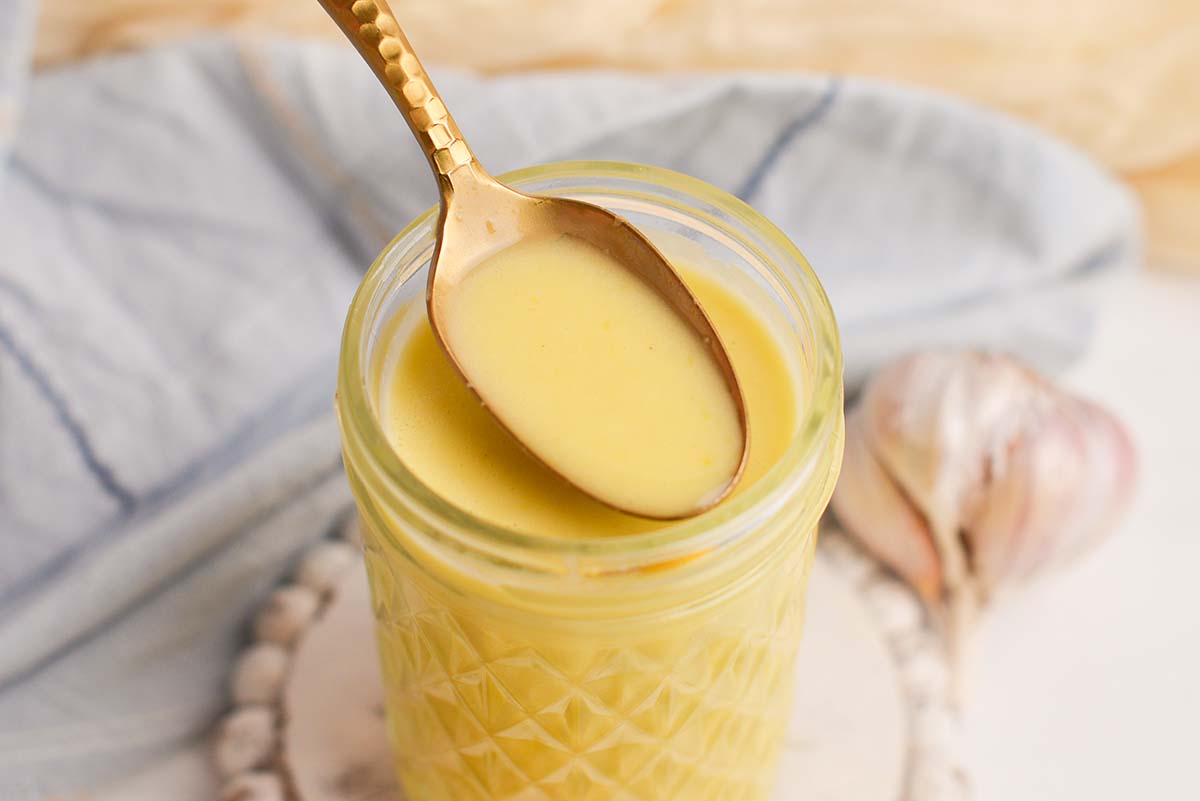
In the culinary world, some choices seem small but yield monumental differences. One such decision? Whether to reach for a bottle of store-bought salad dressing or whisk up a fresh batch of homemade lemon vinaigrette. While the convenience of a pre-made bottle is tempting, the truth is that once you experience the vibrant, zesty, and utterly refreshing taste of a homemade lemon vinaigrette, there's simply no going back. It’s a game-changer that elevates everything it touches, transforming even the most basic greens into a culinary delight. But what truly sets it apart? Let's delve into why making your own beats store-bought every single time.
The Unbeatable Freshness Factor: Why Homemade Lemon Vinaigrette Reigns Supreme
The most immediate and striking difference between homemade and store-bought lemon vinaigrette lies in its unparalleled freshness. Imagine the bright, aromatic zest of a newly cut lemon, the subtle peppery notes of high-quality extra-virgin olive oil, and the sharp tang of Dijon mustard. These are the foundational elements of a truly exceptional vinaigrette, and they are at their peak when fresh.
Store-bought dressings, by necessity, are designed for shelf stability. This often means they contain preservatives, artificial flavors, and less-than-premium ingredients that diminish the authentic taste profile. Bottled lemon juice, for instance, simply cannot replicate the complex acidity and aromatic oils found in freshly squeezed lemons. The result is often a flat, one-dimensional flavor that lacks the "zing" and "sparkle" a truly fresh dressing provides.
A homemade lemon vinaigrette, on the other hand, is a celebration of simple, wholesome ingredients working in harmony. It's a taste experience that is bright, zippy, and perfectly balanced, capable of making even a humble side salad shine like never before. This vibrant freshness is not just about taste; it’s about an entirely different sensory experience that brings life to your meals.
Transparency and Control: Know Exactly What Goes Into Your Dressing
One of the most compelling reasons to embrace homemade condiments, and especially lemon vinaigrette, is the complete control you gain over your ingredients. When you whip up a batch in your kitchen, you know precisely what you're consuming. This transparency is often lacking in commercial dressings, which can be packed with hidden ingredients you might prefer to avoid.
- Unwanted Additives: Many store-bought dressings contain a laundry list of preservatives, emulsifiers, artificial colors, and flavor enhancers designed to prolong shelf life and mimic natural flavors. With homemade, you skip these entirely.
- Questionable Oils: Commercial dressings frequently use cheaper, highly processed vegetable oils like soybean oil, canola oil, or sunflower oil, which can be high in omega-6 fatty acids and may not offer the same health benefits as quality olive oil. Homemade allows you to choose superior extra-virgin olive oil.
- Hidden Sugars and Sodium: It’s surprisingly common for store-bought salad dressings to contain significant amounts of added sugars (high-fructose corn syrup, sugar) and excessive sodium to enhance flavor and palatability. By making your own, you can adjust sweetness with a touch of honey or maple syrup and control the salt level to your exact preference. This is crucial for those managing dietary restrictions or simply seeking a healthier lifestyle.
Beyond health considerations, this control extends to customization. Whether you have allergies, specific dietary needs (like gluten-free or low-FODMAP), or simply personal preferences, homemade easy homemade lemon vinaigrette empowers you to tailor every aspect. It’s a cost-effective choice in the long run too, as purchasing individual ingredients often proves cheaper than repeatedly buying specialty store-bought options.
The Art of Simplicity: Crafting Your Perfect Lemon Vinaigrette
Perhaps the biggest misconception about homemade dressings is that they are complicated or time-consuming. In reality, preparing a delightful lemon vinaigrette is surprisingly simple and takes mere minutes. You don't need fancy equipment; a basic whisk and a bowl, or even just a jar with a tight-fitting lid, will suffice. If you have an immersion blender or a regular blender, the process becomes even faster, creating a beautifully emulsified dressing.
The magic of a great vinaigrette lies in understanding the purpose of each core ingredient:
- Fresh Lemon Juice: This is the star, providing the essential acidity, brightness, and signature citrus flavor. Always opt for fresh over bottled.
- Extra-Virgin Olive Oil: The base of richness and a key player in carrying flavors. Choose a good quality oil for the best results.
- Dijon Mustard: More than just flavor, Dijon acts as a natural emulsifier, helping the oil and acid bind together into a smooth, cohesive dressing.
- Sweetener (Honey or Sugar): A touch of sweetness balances the tartness of the lemon, rounding out the flavor profile.
- Salt and Pepper: Essential for seasoning and enhancing all the other flavors.
- Optional Garlic: A finely minced clove of fresh garlic adds a wonderful depth and aromatic quality.
The critical element in any vinaigrette is the ratio of acid to oil. A common starting point for a well-balanced lemon vinaigrette is a 1:3 ratio (one part lemon juice to three parts olive oil). However, this is a guideline, not a strict rule. You might prefer a sharper dressing with more lemon juice, or a milder one with less. Experimentation is encouraged to find your perfect balance. For an in-depth look at mastering these components, explore our guide on Mastering Lemon Vinaigrette: Essential Ingredients & Ratio.
When preparing, aim for precision in measuring, especially for the acid and oil. Mince garlic finely to ensure it disperses well, and if your honey is crystallized, warm it gently to make it easier to blend. Arranging your ingredients beforehand in small bowls makes the process smooth and enjoyable.
Beyond the Salad Bowl: The Incredible Versatility of Lemon Vinaigrette
While often associated with leafy greens, the utility of homemade lemon vinaigrette extends far beyond the traditional salad bowl. Its bright, tangy profile makes it an incredibly versatile condiment that can elevate a wide array of dishes.
- Grain Bowls: Drizzle it over quinoa, farro, or couscous bowls packed with roasted vegetables and protein for a refreshing finish.
- Roasted Vegetables: Toss roasted asparagus, broccoli, brussels sprouts, or potatoes with lemon vinaigrette either before or after roasting for an added burst of flavor.
- Marinades: It makes an excellent marinade for chicken, fish, or even tofu, imparting a tenderizing acidity and a vibrant citrus note.
- Grilled Meats and Seafood: A simple spoon-drizzle over grilled chicken breasts, salmon fillets, or shrimp after cooking can brighten the entire dish.
- Steamed or Blanched Greens: Give plain steamed green beans or blanched broccoli a quick toss with lemon vinaigrette for an instant flavor upgrade.
- Pasta Salads: Use it as a lighter, tangier alternative to creamy dressings in cold pasta salads.
- Appetizers: Drizzle over bruschetta, caprese skewers, or even avocado toast for an unexpected pop.
Its ability to cut through richness and add a refreshing zing makes it a go-to for adding dimension to countless meals, proving it’s truly one of the most versatile dressings to have on hand.
Customization is Key: Making Your Lemon Vinaigrette Uniquely Yours
One of the true joys of homemade lemon vinaigrette is the endless potential for customization. While the basic recipe is fantastic, it serves as a canvas for your culinary creativity. Here are just a few ways you can make it your own:
- Herbaceous Additions: Introduce finely chopped fresh herbs like parsley, dill, chives, basil, or thyme for an aromatic layer. Consider a sprig of rosemary for a more robust flavor.
- Aromatic Boosts: Incorporate finely minced shallots or a tiny bit of red onion for a delicate oniony kick. A pinch of dried oregano or Italian seasoning can also add depth.
- Spice and Heat: For those who enjoy a little warmth, a pinch of red pepper flakes or a dash of your favorite hot sauce can add a subtle kick.
- Different Mustards: While Dijon is standard, experiment with whole-grain mustard for added texture and a more robust flavor, or a touch of spicy brown mustard for extra zing.
- Nutty Notes: A tiny splash of walnut oil or toasted sesame oil (use sparingly!) can introduce interesting nutty undertones, particularly good with certain salads or grain bowls.
- Sweetener Variations: Instead of honey, try maple syrup or a touch of agave nectar for different sweetness profiles.
Don't be afraid to taste and adjust as you go. A little more lemon for brightness, a touch more olive oil for richness, or an extra pinch of salt to bring out the flavors – these small tweaks allow you to tailor the dressing to complement specific dishes or simply suit your personal palate perfectly. Store your homemade vinaigrette in an airtight container in the fridge for up to a week, giving it a good shake before each use.
In conclusion, while the allure of convenience is strong, the myriad benefits of homemade lemon vinaigrette unequivocally make it the superior choice. From the unparalleled freshness and vibrant flavor that only real ingredients can deliver, to the complete control over what you're eating, and its incredible versatility across countless dishes, making your own dressing is a small effort with enormous rewards. It’s healthier, often cheaper, and undeniably more delicious. So, ditch the bottled stuff and embrace the simple joy of mixing up your own batch – your taste buds, and your health, will thank you.
