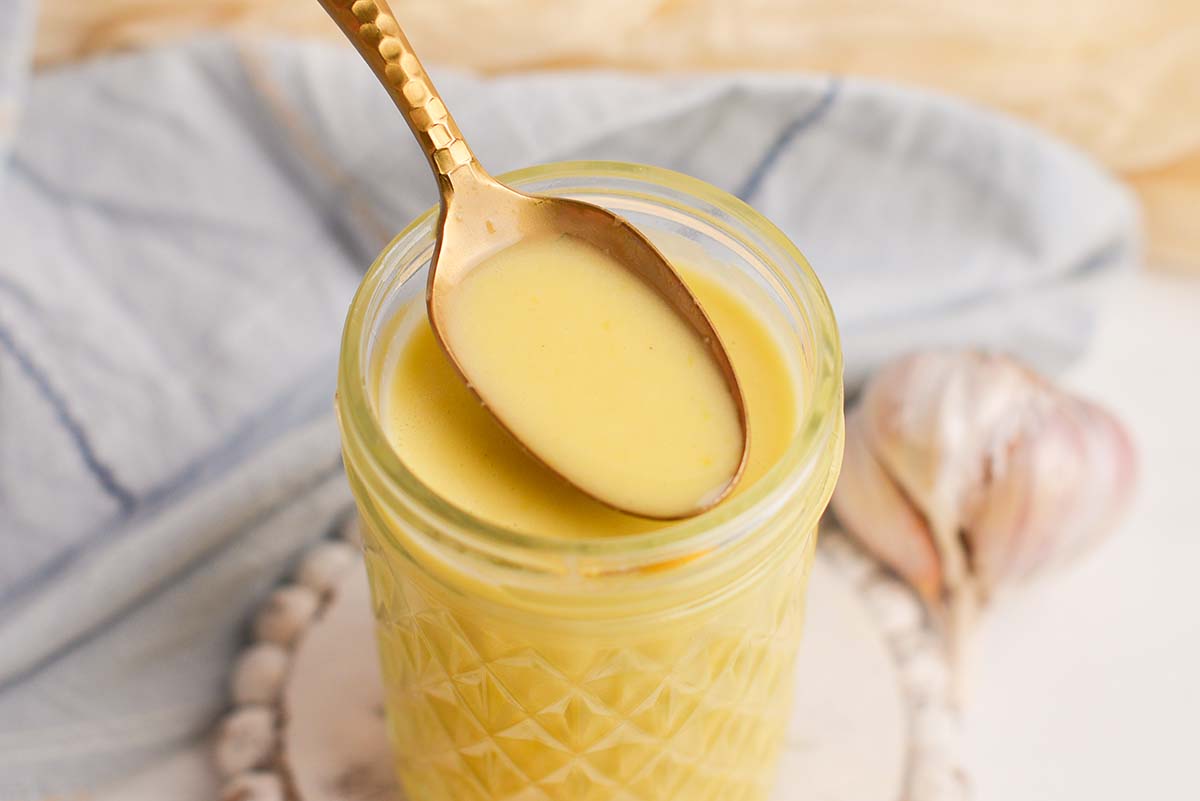
Easy Homemade Lemon Vinaigrette: Brighten Every Salad
Imagine a salad dressing that is not only bursting with fresh flavor but also incredibly easy to make, infinitely versatile, and healthier than most store-bought options. This isn't a culinary fantasy; it's the magic of a simple, homemade
lemon vinaigrette. This bright, zippy, and perfectly balanced dressing has the power to transform even the most basic greens into a sparkling culinary experience, becoming a staple in your kitchen just as it has in ours. Ditch the preservatives and unknown ingredients, and discover the joy of crafting your own vibrant dressing in minutes.
Why Homemade Lemon Vinaigrette is a Game-Changer
The allure of homemade
lemon vinaigrette lies in its undeniable superiority to its store-bought counterparts. Once you experience the difference, you'll understand why this humble dressing earns its place as a kitchen essential.
Unparalleled Freshness and Flavor
The most significant advantage of making your own lemon vinaigrette is the taste. Using fresh lemon juice, quality olive oil, and minimal ingredients means you get a pure, unadulterated flavor that simply can't be replicated by mass-produced dressings. Store-bought options often contain stabilizers, excessive sugar, and sometimes even artificial flavors that dull the natural brightness. Our homemade version is a symphony of tangy citrus, rich olive oil, and subtle seasonings that awaken the palate. It makes every bite of your salad feel special, elevating a simple side dish to a delightful highlight.
Control Over Ingredients and Health Benefits
When you make your own dressing, you are in complete control of what goes into your body. This means no hidden sugars, unnecessary preservatives, or unhealthy oils that often lurk in commercial dressings. This transparency is a huge benefit for health-conscious individuals and families. You can adjust the salt content, choose organic ingredients, and tailor the sweetness level to your exact preference. For a deeper dive into the health and quality aspects, you might find our article
Why Homemade Lemon Vinaigrette Beats Store-Bought Dressing particularly enlightening. Knowing exactly what you’re consuming provides peace of mind and often results in a more nutritious and delicious outcome.
Incredible Versatility
Few dressings boast the sheer versatility of a well-made lemon vinaigrette. While it shines brightly on classic green salads, its application extends far beyond. It beautifully complements hearty grain bowls, enlivens roasted vegetables, and can even serve as a light marinade for chicken or fish. Its light and tangy profile makes it suitable for a wide array of cuisines and ingredients, ensuring it's never a "one-trick pony" in your fridge.
Cost-Effective and Family-Friendly
Crafting condiments from scratch is often surprisingly economical, and
lemon vinaigrette is no exception. The core ingredients are typically pantry staples, making it a budget-friendly alternative to premium store-bought dressings. What’s more, its universally appealing flavor profile makes it a hit even with the pickiest eaters. We've seen firsthand how its bright and balanced taste can win over even the youngest critics, making it a keeper for family meals.
The Essential Ingredients for a Stellar Lemon Vinaigrette
The foundation of an exceptional
lemon vinaigrette lies in a handful of high-quality, fresh ingredients. Each component plays a crucial role, contributing to the dressing's vibrant flavor and perfect texture.
The Core Components:
*
Fresh Lemon Juice: This is the unequivocal star of the show. The acidity and aromatic zest from fresh lemons are irreplaceable. Bottled lemon juice simply lacks the nuanced brightness and often carries an off-putting processed flavor. For the best results, always opt for freshly squeezed. Approximately one medium lemon yields about 3 tablespoons of juice.
*
Quality Olive Oil: The oil provides richness and helps to carry the flavors. Extra-virgin olive oil (EVOO) is generally preferred for its robust, fruity notes, which pair beautifully with lemon. However, if you prefer a milder taste, a lighter olive oil can be used. Avoid neutral oils like canola or vegetable oil, as they lack the flavor depth needed to complement the lemon.
*
Dijon Mustard: Far from just a flavor enhancer, smooth Dijon mustard acts as a vital emulsifier, helping the oil and acid combine into a creamy, cohesive dressing rather than separating into distinct layers. It also adds a subtle, piquant tang that beautifully rounds out the flavor profile without overpowering the lemon.
*
Sweetener (Honey or Sugar): A touch of sweetness is key to balancing the tartness of the lemon, creating that perfectly rounded, crowd-pleasing flavor. Liquid honey works wonderfully, especially if warmed slightly to ensure it blends seamlessly. Granulated sugar is another excellent option.
*
Salt and Freshly Ground Black Pepper: These aren't just for seasoning; they are essential for enhancing all the other flavors. Start with a pinch and adjust to taste, remembering that the dressing should be well-seasoned to stand up to other salad ingredients.
Optional Enhancements for Added Depth:
While the five core ingredients create a magnificent lemon vinaigrette on their own, a few additions can elevate it further:
*
Garlic: A finely minced small clove of fresh garlic adds a wonderful aromatic depth. If fresh isn't available, 1/4 teaspoon of garlic powder can be substituted. Remember, subtlety is key here; you want it to enhance, not dominate.
*
Fresh Herbs: Consider incorporating finely chopped fresh herbs like dill, parsley, chives, or even a touch of thyme. These add an extra layer of freshness and can be tailored to the specific salad you're serving.
*
Shallots: For a milder, more delicate onion flavor than garlic, finely minced shallots can be a fantastic addition.
Prioritizing the quality of these ingredients is paramount. A truly delicious dressing begins with truly delicious components.
Mastering the Art of Mixing: Ratios and Techniques
Crafting the perfect
lemon vinaigrette isn't just about the ingredients; it's also about understanding the right proportions and techniques to bring them together harmoniously.
The Golden Ratio and Customization
The foundation of any classic vinaigrette lies in its acid-to-oil ratio. For a standard, well-balanced lemon vinaigrette, a 1:3 ratio of acid (lemon juice) to oil is typically recommended. For instance, 1/4 cup of lemon juice would be combined with 3/4 cup of olive oil. However, this is merely a starting point. Your personal preference, and even the type of salad you're dressing, can influence the ideal ratio.
*
For a Sharper, Tangier Dressing: Increase the lemon juice slightly, perhaps aiming for a 1:2 or even 1:1.5 ratio. This works beautifully with richer, heavier salads or roasted vegetables that can handle a more assertive zing.
*
For a Milder, Richer Dressing: Reduce the lemon juice to oil ratio slightly, perhaps using 3 tablespoons of lemon juice to 1/2 cup of olive oil. This is ideal for delicate greens or when you want the dressing to be a subtle background note.
Understanding how to play with these ratios empowers you to create a lemon vinaigrette that perfectly suits any dish. For more detailed insights on ratios and ingredient interplay, our article
Mastering Lemon Vinaigrette: Essential Ingredients & Ratio provides an in-depth guide.
Step-by-Step Preparation: Effortless Excellence
You don't need fancy equipment to whip up a fantastic lemon vinaigrette. A simple whisk and a bowl, or even just a jar with a tight-fitting lid, will suffice.
1.
Gather and Measure: Start by measuring all your ingredients precisely. This ensures consistency and helps you adjust ratios in the future. Have everything ready (mise en place) for a smooth process.
2.
Combine Acid and Emulsifiers: In a medium bowl (or jar), combine the fresh lemon juice, Dijon mustard, sweetener (honey/sugar), salt, and freshly ground black pepper. If using minced garlic or fresh herbs, add them at this stage.
3.
Whisk (or Shake) Vigorously: Whisk these ingredients together until well combined and the honey/sugar has dissolved. If using a jar, simply put the lid on and shake well.
4.
Slowly Drizzle in Olive Oil: This is the key to emulsification. While continuously whisking (or shaking if in a jar), slowly drizzle in the olive oil in a thin, steady stream. The mixture will gradually thicken and become opaque as the oil and acid combine into a smooth, cohesive dressing. If you're using an immersion blender, this process is even faster and yields a very stable emulsion.
5.
Taste and Adjust: This is arguably the most crucial step. Taste the dressing with a piece of lettuce or a spoon. Does it need more salt, pepper, or a touch more sweetness to balance the tang? Adjust as needed until it's perfectly to your liking. Remember, the dressing should taste slightly bolder on its own, as it will mellow out when tossed with salad ingredients.
Tips for Success:
*
Room Temperature Ingredients: While not strictly necessary, having your lemon and olive oil at room temperature can sometimes aid in better emulsification.
*
Storage: Store your homemade
lemon vinaigrette in an airtight container or jar in the refrigerator. It will keep beautifully for about 5-7 days.
*
Re-emulsifying: It's natural for vinaigrettes to separate slightly after sitting. Simply give it a good whisk or shake before serving to bring it back to its luscious consistency.
*
Scaling Up or Down: This recipe is incredibly adaptable. Need more for a party? Double or triple the ingredients. Just making a single serving? Halve them!
Beyond Basic Greens: Creative Uses for Your Lemon Vinaigrette
The versatility of homemade
lemon vinaigrette is one of its most appealing attributes. While it's undoubtedly a star on any leafy green salad, its bright and tangy profile makes it an excellent companion for a wide array of dishes, allowing you to infuse a burst of freshness into countless meals.
Elevating Everyday Meals:
*
Classic Green Salads: From delicate mixed greens with shaved Parmesan to a robust romaine and cucumber salad, lemon vinaigrette provides the perfect counterpoint of brightness and acidity.
*
Hearty Grain Bowls: Drizzle it over quinoa, farro, couscous, or even rice bowls laden with roasted vegetables, grilled protein, and fresh herbs. It beautifully ties all the components together.
*
Roasted and Steamed Vegetables: Toss warm roasted asparagus, broccoli, Brussels sprouts, or green beans with a generous amount of lemon vinaigrette immediately after cooking. The heat helps the flavors meld, creating a vibrant side dish. It also brightens up steamed vegetables, giving them a much-needed lift.
*
Marinade for Proteins: Its acidic nature makes it an excellent tenderizer and flavor infuser for lean proteins. Use it as a quick marinade for chicken breasts, fish fillets (especially white fish like cod or tilapia), or even firm tofu before grilling, baking, or pan-searing. The lemon brightens the flavors without overpowering them.
*
Pasta Salads: Looking for a lighter alternative to creamy pasta salads? Use lemon vinaigrette as the base for a refreshing pasta salad featuring cherry tomatoes, cucumber, olives, and feta cheese. It keeps the dish light and zesty.
*
Potato Salads (A Lighter Twist): Swap out heavy mayonnaise-based dressings for a lemon vinaigrette in your potato salad. Combine warm boiled potatoes with the dressing, fresh dill, and red onion for a surprisingly light and flavorful side.
*
Dipping Sauce: Serve it alongside crusty bread or a crudités platter for a simple yet elegant appetizer.
*
Avocado Toast or Sandwiches: A light drizzle over avocado toast adds a delightful tang, or use it instead of mayo on sandwiches for a fresh twist.
The beauty of having a batch of homemade
lemon vinaigrette in your fridge is that it opens up a world of culinary possibilities. It’s an instant flavor booster, ready to rescue bland dishes and add a professional touch to your everyday cooking. Don't limit yourself to just salads; let your imagination guide you to new and exciting ways to incorporate this versatile dressing into your meals.
Conclusion
Embracing homemade
lemon vinaigrette is more than just making a dressing; it's a step towards more flavorful, healthier, and versatile cooking. From its bright, zippy taste that far surpasses anything store-bought, to the control it offers over ingredients, and its incredible adaptability across countless dishes, this simple concoction is a true kitchen MVP. With just a few fresh ingredients and minimal effort, you can create a staple that will brighten every salad and elevate so many of your meals. So grab your whisk or a jar, and get ready to experience the delightful difference of your very own easy homemade lemon vinaigrette. Your taste buds (and your family) will thank you!