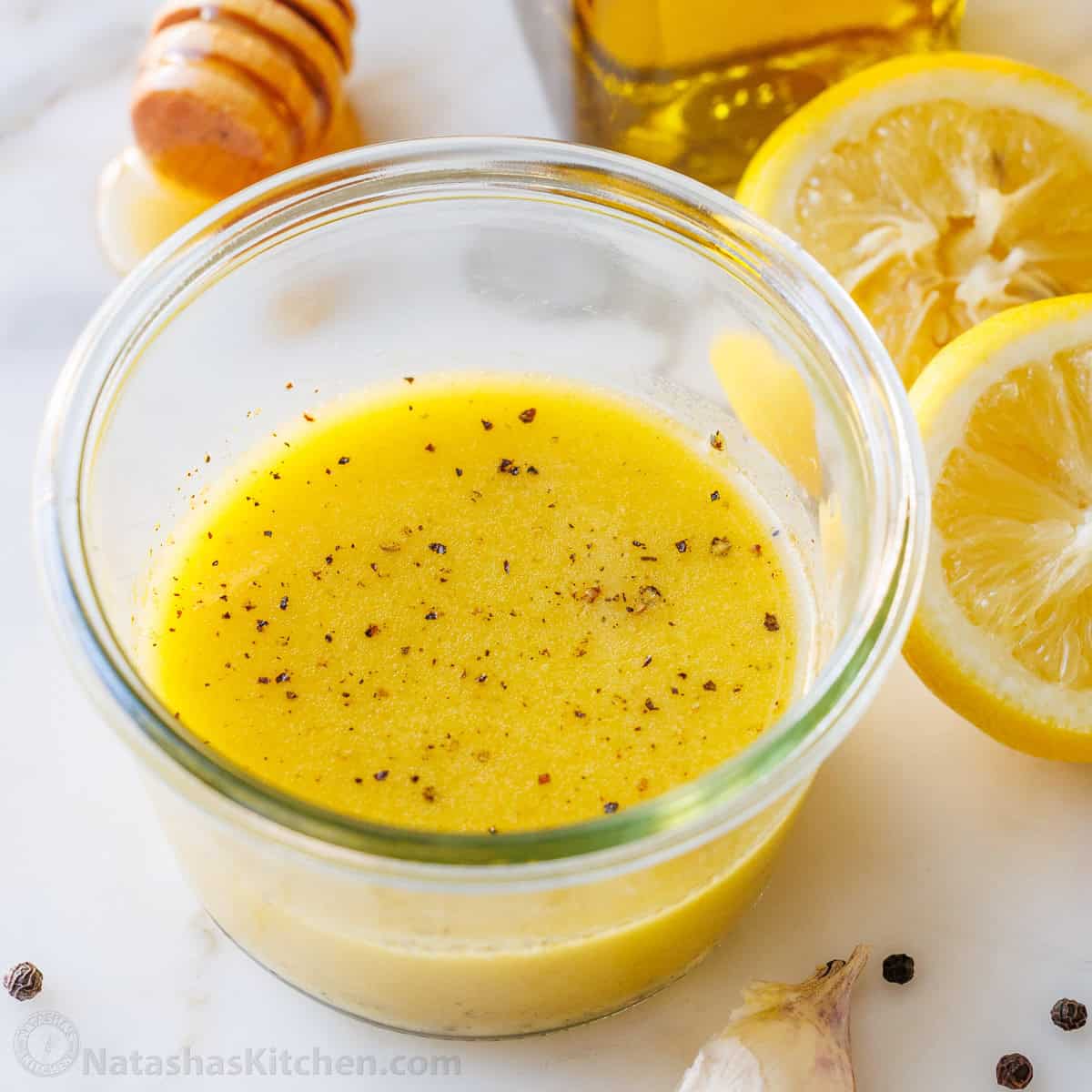
Mastering Lemon Vinaigrette: Your Essential Guide to Fresh, Flavorful Dressings
Few condiments boast the universal appeal and refreshing zest of a perfectly crafted lemon vinaigrette. It's the culinary equivalent of a ray of sunshine for your plate, capable of transforming even the simplest ingredients into a vibrant, memorable meal. Whether you’re tossing a classic green salad, enlivening a grain bowl, or marinating poultry, a homemade lemon vinaigrette is an indispensable tool in any kitchen. Forget the dull, often additive-laden store-bought options; unlocking the secrets of this bright, tangy dressing is surprisingly simple and immensely rewarding.
Our journey to mastering lemon vinaigrette begins with understanding its core components and the harmonious balance they strike. This dressing isn't just a mix of ingredients; it's an interplay of acidity, richness, sweetness, and savory notes, designed to awaken your palate. Once you experience the difference of fresh, homemade vinaigrette, you'll find yourself reaching for this versatile concoction again and again. It’s no wonder this family-favorite recipe, shared by friends and instantly adored by even the pickiest eaters, becomes a staple in so many households. The beauty lies in its simplicity and the sheer impact of quality, fresh ingredients.
The Foundation: Unpacking Essential Ingredients and Their Roles
A truly exceptional lemon vinaigrette relies on a handful of key ingredients, each playing a crucial role in creating a balanced and delightful flavor profile. Understanding these individual contributions is the first step toward perfecting your dressing. When you make condiments from scratch, whether it's pesto, hummus, or your very own vinaigrette, you gain not only superior taste but also the peace of mind that comes from knowing exactly what you're consuming.
- Fresh Lemon Juice: The Zesty Star
The absolute cornerstone of a lemon vinaigrette, fresh lemon juice provides the vibrant acidity that cuts through richness and brightens all other flavors. This is where quality truly matters. Bottled lemon juice simply cannot compare to the bright, nuanced flavor of freshly squeezed lemons. Aim for about one medium lemon to yield roughly 3 tablespoons of juice. It’s this fresh, citrusy zing that makes the dressing so refreshing and elevates it far beyond what you’d find pre-made. - Extra-Virgin Olive Oil: The Rich Base
Olive oil provides the body and richness that balances the lemon's acidity. Extra-virgin olive oil is typically preferred for its robust, fruity flavor, which complements lemon beautifully. However, if you prefer a more subtle profile, a lighter olive oil or even a high-quality avocado oil can be used. The oil choice greatly influences the final texture and underlying notes of your vinaigrette, so choose wisely based on your preference. - Dijon Mustard: The Unsung Emulsifier
Often overlooked, Dijon mustard is a critical ingredient. Beyond adding a subtle, savory tang, its primary role is as an emulsifier. It helps to bind the oil and lemon juice together, preventing them from separating too quickly and creating a creamy, cohesive dressing. Opt for a smooth Dijon mustard rather than a grainy variety for a silkier texture. - Honey or Sugar: The Balancing Sweetener
A touch of sweetness is essential to balance the sharp acidity of the lemon juice. Honey provides a natural, floral sweetness that pairs exceptionally well with citrus. If using honey, ensure it's liquid enough to blend easily (gently warm it if it has crystallized). Granulated sugar can also be used, offering a neutral sweetness. This sweet element is what truly distinguishes lemon vinaigrette from many other vinegar-based dressings, creating a unique sweet-tart interplay. - Salt and Freshly Ground Black Pepper: The Seasoning Essentials
These fundamental seasonings enhance all the other flavors. Use a good quality sea salt or kosher salt, and always opt for freshly ground black pepper for superior aroma and taste. Remember, seasoning is to taste, so start with a little and adjust as needed. - Garlic (Optional): For Depth and Aroma
While not strictly mandatory, a finely minced small clove of garlic can add a wonderful aromatic depth and subtle piquancy. If fresh garlic isn't available, a quarter teaspoon of garlic powder can be substituted. The key is subtlety; garlic in lemon vinaigrette should complement, not overpower, the bright citrus notes.
Mastering the Ratio: The Key to a Perfectly Balanced Vinaigrette
The magic of any vinaigrette, and especially a lemon vinaigrette, lies in its acid-to-oil ratio. This fundamental principle dictates the dressing's balance, texture, and overall impact. The classic culinary ratio is one part acid to three parts oil (1:3). This provides a dressing that is rich yet tangy, without being overwhelmingly acidic or greasy.
For example, if you use 1/4 cup of fresh lemon juice, you would typically combine it with 3/4 cup of olive oil. However, this is a guideline, not a rigid rule. Your personal preference, and even the specific salad you’re dressing, might call for adjustments:
- For a Sharper, More Pungent Dressing: You might increase the acid slightly, moving closer to a 1:2 or even a 1:2.5 ratio. For instance, combining 1/4 cup lemon juice with 1/2 cup olive oil will yield a more assertive vinaigrette, perfect for heartier greens or dishes that need a strong acidic lift.
- For a Milder, Smoother Dressing: You could reduce the lemon juice or slightly increase the oil, moving towards a 1:3.5 or 1:4 ratio. Using 3 tablespoons of lemon juice with 3/4 cup of olive oil would result in a less intense, smoother dressing, ideal for delicate greens or when you want the other salad components to shine.
The beauty of homemade vinaigrette is its adaptability. Don't be afraid to experiment! The most important step is to taste and adjust. Start with the 1:3 ratio, then add more lemon for zest, more oil for richness, or more sweetener/seasoning for balance until it perfectly suits your palate. This intuitive adjustment is what truly makes the dressing "yours."
Crafting Your Lemon Vinaigrette: Step-by-Step and Pro Tips
Making your own lemon vinaigrette is incredibly straightforward and requires no fancy equipment. You can literally whisk it up in minutes. Many find that once they make their own, they never look back. It’s easy to understand why homemade lemon vinaigrette beats store-bought dressing in terms of flavor, freshness, and control over ingredients.
- Gather and Measure: Arrange all your ingredients. Precisely measure your lemon juice, olive oil, Dijon mustard, and honey/sugar. Finely mince your garlic if using. Having everything prepped makes the process seamless.
- Combine Acid and Emulsifier: In a medium bowl, whisk together the fresh lemon juice, Dijon mustard, honey (if using liquid honey, warm it slightly if crystallized), salt, and pepper. If using garlic, add it now. This ensures the solids are well distributed before the oil is introduced.
- Slowly Incorporate Oil: While continuously whisking vigorously (or using an immersion blender/regular blender on low speed), slowly drizzle in the olive oil. The steady stream and constant agitation will help the Dijon mustard emulsify the dressing, creating a smooth, cohesive texture. If using a blender, this process is even faster, yielding a consistently creamy result.
- Taste and Adjust: This is arguably the most crucial step. Taste your vinaigrette. Does it need more salt? More pepper? A little more sweetness to balance the tang? Perhaps a touch more lemon for extra zing, or a bit more oil for a milder profile? Adjust until it hits your sweet spot.
- Serve or Store: Your fresh lemon vinaigrette is ready to use immediately! It’s perfect for dressing a wide variety of salads. For more ideas and a deeper dive into its versatility, check out our guide on Easy Homemade Lemon Vinaigrette: Brighten Every Salad.
Pro Tips for Success:
- Temperature Matters: Ensure your ingredients are at room temperature, especially the olive oil, as this aids in better emulsification.
- Whisking vs. Blending: A simple whisk and bowl work perfectly, but for a truly stable and creamy emulsion, an immersion blender or even a regular blender will yield the fastest and most consistent results.
- Storage: Store your homemade lemon vinaigrette in an airtight container or jar in the refrigerator for up to a week. It’s natural for the oil and acid to separate over time; simply give it a good shake or re-whisk before each use.
- Scale Up or Down: This recipe is incredibly easy to scale. If you're cooking for a crowd, simply multiply the ingredient quantities. For a single serving, divide them accordingly.
Beyond the Salad Bowl: Versatile Uses for Lemon Vinaigrette
While synonymous with salads, the utility of a well-made lemon vinaigrette extends far beyond a bowl of greens. Its bright, clean flavor makes it an incredibly versatile companion for a myriad of dishes:
- Marinade for Proteins: It's an excellent marinade for chicken, fish, or even pork. The acidity tenderizes the meat, while the flavors infuse it with a delightful tang.
- Drizzle for Roasted Vegetables: Toss freshly roasted vegetables (like asparagus, broccoli, or Brussels sprouts) with a glug of lemon vinaigrette for a bright finish that cuts through their richness.
- Grain Bowl Enhancer: Transform plain quinoa, farro, or couscous into a flavorful base for a grain bowl by dressing it with lemon vinaigrette.
- Pasta Salad Dressing: Lighten up a pasta salad with a lemon vinaigrette instead of heavier, creamy dressings. Add fresh herbs for an extra burst of flavor.
- Dip for Crudités or Bread: Offer it as a sophisticated dip for fresh vegetables or crusty bread.
- Flavor Booster for Soups: A small drizzle over certain vegetable or lentil soups just before serving can add a surprising lift.
The possibilities are truly endless, limited only by your imagination. Its inherent ability to brighten and balance makes it a secret weapon in the kitchen.
Conclusion: Your Go-To Dressing Awaits
Mastering lemon vinaigrette is more than just learning a recipe; it's about embracing fresh ingredients, understanding flavor balance, and unlocking a world of culinary versatility. With its bright, zippy, and perfectly balanced profile, this homemade dressing outshines any store-bought alternative, elevating everything from a simple side salad to a gourmet meal. By focusing on fresh lemons, quality olive oil, and the essential 1:3 acid-to-oil ratio, you can confidently whisk up a batch in minutes. Make it a staple in your fridge, and prepare to be smitten by the endless possibilities it brings to your table.
